Specialty Coatings vs Standard Paint: What Commercial Operators Need to Know
Standard automotive paint does a great job on a passenger car. On a construction truck that sits in road salt every winter, it's the wrong tool. Here's how to think about specialty coatings and when they're worth the upfront cost.
The first thing to understand is that "paint" and "coating" are the same word used in two different contexts. Automotive paint is engineered for appearance-first performance on substrates that live in relatively controlled conditions. Specialty coatings are engineered for protection-first performance on substrates that live in punishing ones. The difference isn't quality — it's purpose.
Choosing between them on a commercial vehicle is a decision made at the specification stage, not the booth. And the biggest mistake operators make is assuming the decision is about how the truck looks. It's almost always about how long the finish lasts.
What standard automotive paint actually does
A modern automotive topcoat system is typically a two- or three-stage system: primer, color coat, clear coat. It's formulated for gloss retention, UV stability, and a specific appearance target. On a daily driver that sees mostly highway miles, occasional wash bay visits, and weather-only exposure, it will look good for years.
That performance envelope is calibrated for retail operating conditions. When you push past them — aggressive chemical exposure, heavy abrasive contact, year-round salt, daily wash cycles, UV sitting at 100% for extended periods — you start pushing past what the system is designed to handle. It won't fail catastrophically. It'll just age much faster than the customer expected.
What specialty coatings do differently
Specialty coatings are industrial systems. They're formulated around a specific operating environment and a specific substrate condition. Where automotive paint is optimized for gloss and color retention, specialty coatings are optimized for survival: chemical resistance, abrasion resistance, corrosion protection, UV stability under heavy exposure.
The cost of that survivability is often some tradeoff in appearance. Matte and satin finishes are common. Texture coatings trade visual slickness for physical durability. High-build primers add depth but can reduce the crispness of fine color transitions. For commercial equipment, those tradeoffs usually make sense — the job of the finish is to survive, not to show off.
Common specialty coating families
- Two-component urethane topcoats — the workhorse of industrial commercial refinishing. Excellent chemical and UV resistance, reasonable gloss options, and durable under commercial wash conditions.
- Epoxy primers and tie-coats — strong corrosion protection and bond to difficult substrates. Usually part of a multi-layer system rather than a finish in themselves.
- High-build protective coatings — add physical thickness to resist abrasive contact. Common on construction and landscape equipment.
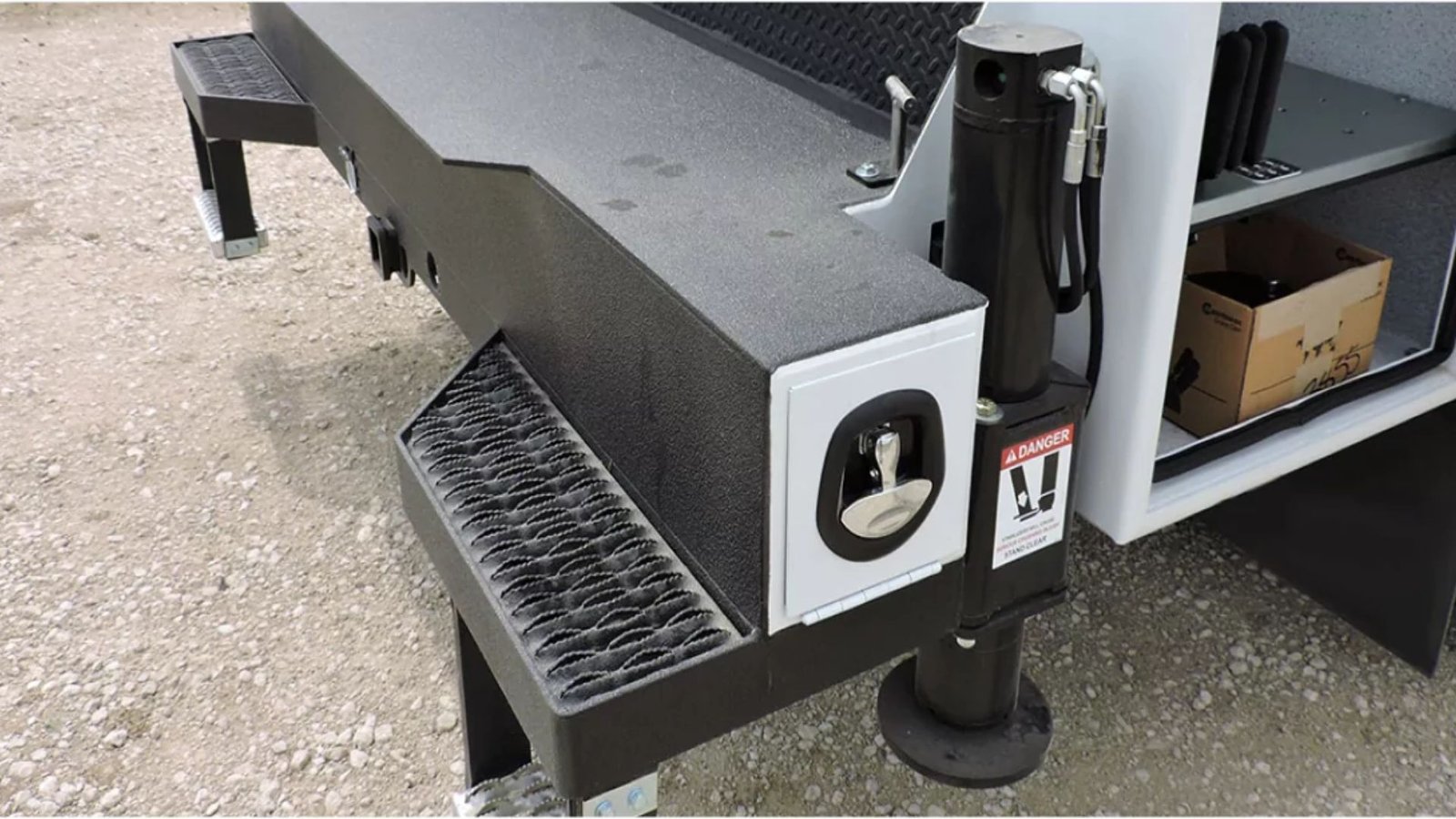
- Texture and bedliner-style coatings — sacrifice appearance for maximum abrasion resistance on high-contact surfaces.
- Anti-corrosion and rust-conversion coatings — applied to compromised substrates as a remediation step before topcoat.
How to know which your vehicle actually needs
The decision comes down to three questions. Answer them honestly and the right answer usually becomes obvious.
1. What environment does the vehicle operate in?
A box truck doing downtown deliveries lives in a milder environment than a construction support truck. The box truck is a candidate for a high-quality commercial automotive system. The construction truck is a candidate for a specialty protective coating.
2. How long do you need the finish to last?
If you're planning a 4-year refresh cycle, the calculus is different than if you're expecting the finish to survive a 10-year operating life without intervention. Shorter cycles give you more flexibility on the coating system. Longer cycles push you toward specialty systems.
3. What does failure cost you?
On a fleet where presentation is part of the brand, premature paint failure has a business cost beyond the refinish bill. On an equipment fleet where the finish is mostly protective, premature failure shows up as corrosion and substrate damage. Both are worth paying more upfront to avoid.
The cost conversation
Specialty coating systems are generally more expensive than standard automotive systems on a per-vehicle basis. The materials cost more, the preparation is more involved, and the application takes longer. On a single-unit basis, the premium is noticeable.
On a lifecycle basis, the calculation usually flips. A specialty system that survives 7 years of punishment will often cost less per year in service than a standard system that needs intervention at year 3 and refinishing at year 5. The math becomes even more favorable when you factor in the downtime avoided and the residual value of vehicles that still present well at trade-in or disposal.
Getting the spec right
For commercial operators, the most important conversation to have with a refinishing partner is about operating conditions. Not color. Not gloss. Not even timeline. Start with where the vehicle will work, what it will encounter, and how long you need the finish to last. Everything else flows from that.
Any refinishing operation that's comfortable starting there is probably comfortable with the kind of specialty coating work commercial vehicles often need. Any operation that wants to talk paint codes before operating conditions is probably optimizing for the wrong part of the job.
Have a refinishing project that could use this thinking?
We work with commercial operators across Toronto and the GTA. Tell us what you're running and we'll walk through it with you.